

Best Energy Saving Windows for Your Home
If your rooms feel cold in winter, too warm in summer, or drafty no matter how high the thermostat is set, your windows are likely part of the problem. The best energy saving windows do more than lower utility bills – they make the home feel more comfortable every day, reduce outside noise, and help your HVAC system work less.
For most homeowners, the challenge is not finding a window that claims efficiency. It is knowing which features actually make a difference and which options are worth paying for. A good-looking window can still perform poorly if the glass package is weak, the frame is not well insulated, or the installation is rushed. That is why choosing the right window means looking at the full system, not just the style.
What makes the best energy saving windows?
Energy-efficient windows are designed to slow heat transfer. In simple terms, they help keep heated air inside during colder months and block excess heat from entering when temperatures rise. The result is a more stable indoor temperature and less strain on your furnace or air conditioner.
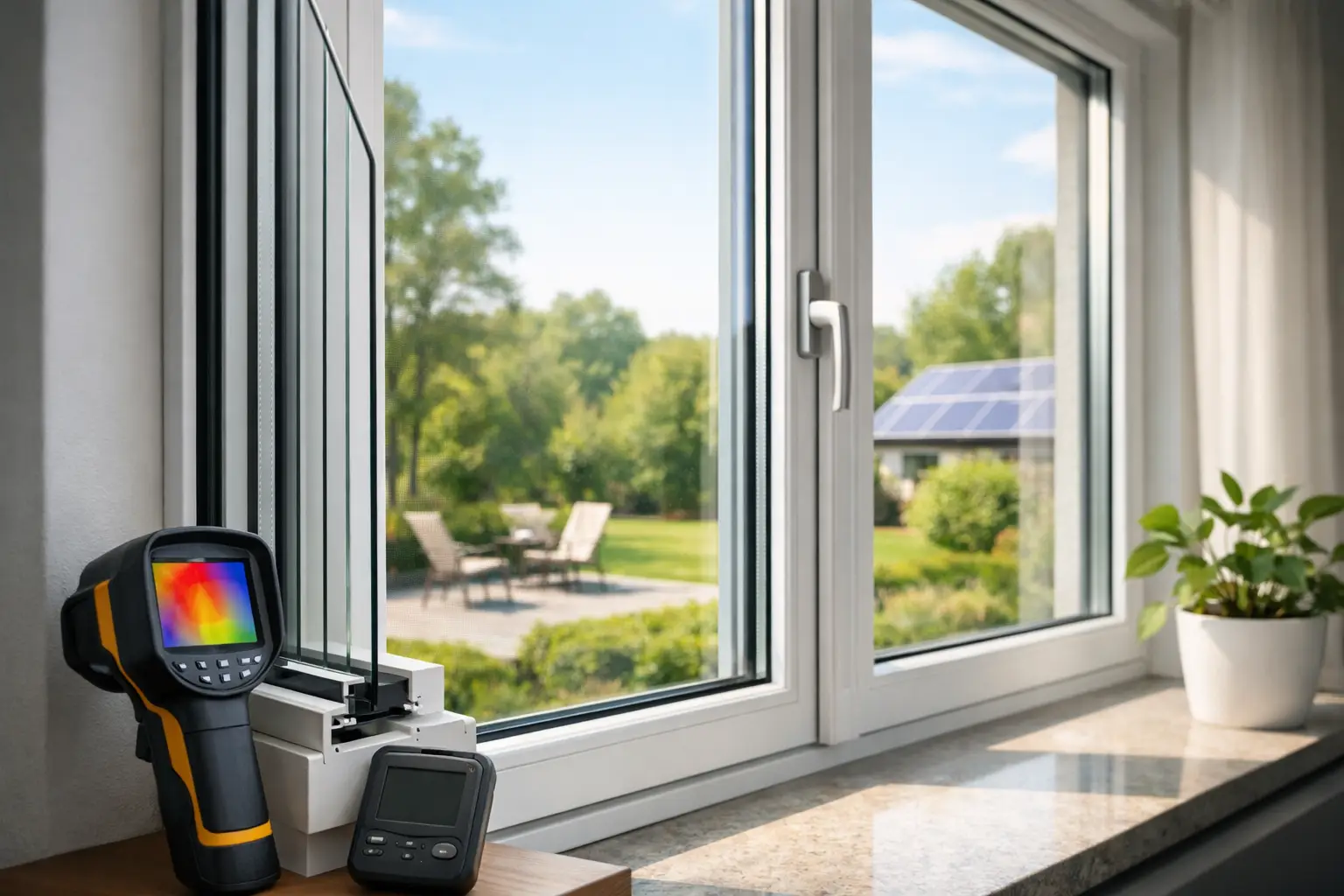
The biggest performance factors are the glass, the frame, the spacing between panes, and the installation quality. Double-pane glass is a strong baseline, but triple-pane glass often delivers better insulation, especially in climates with colder winters and big seasonal swings. Low-E coatings also matter because they reflect heat while still allowing natural light into the home. When combined with argon gas fills between panes, they can noticeably improve efficiency.
The frame material plays a major role too. Vinyl windows are popular because they offer strong thermal performance, low maintenance, and solid long-term value. Aluminum can be sleek and durable, but standard aluminum frames are not as insulating unless they include a thermal break. Fiberglass can perform very well, though pricing is often higher. There is no one-size-fits-all answer, but for many residential replacement projects, insulated vinyl remains one of the smartest choices.
Best energy saving windows by window style
Window style affects efficiency more than many homeowners expect. Some styles naturally seal tighter than others, which directly affects air leakage.
Casement windows
Casement windows are often among the best performers for energy savings. Because they close by pressing the sash tightly against the frame, they tend to create a stronger seal than many sliding designs. They are also a practical choice for homeowners who want ventilation and easy operation.
Awning windows
Awning windows also seal tightly and perform well. Their design makes them useful in bathrooms, basements, and kitchens, and they can often remain open during light rain. If your priority is a compact window with strong efficiency, this style deserves serious consideration.
Fixed windows
Fixed or picture windows are highly efficient because they do not open, which means fewer opportunities for air leakage. They are ideal when the goal is maximizing light and energy performance in a room where ventilation is not necessary. The trade-off is obvious – no airflow.
Sliding and hung windows
Sliding windows and single- or double-hung windows can still be energy efficient, but they usually depend more heavily on product quality and installation precision. Since these styles operate by moving along tracks or vertical channels, they may not seal as tightly as casement or awning windows. That does not make them a bad choice. It simply means you should pay closer attention to build quality, weatherstripping, and performance ratings.
The glass package matters more than most homeowners think
When people compare windows, they often focus on frame color, grille patterns, or style. Those details matter for appearance, but the glass package is where much of the energy performance comes from.
Double-pane windows are a major step up from older single-pane units, and in many homes they provide a meaningful improvement in comfort and efficiency. Triple-pane windows go further by adding another layer of insulation. They can reduce heat loss, improve indoor comfort near the glass, and often help with noise reduction as well. The upfront cost is higher, so whether they are worth it depends on your budget, your home’s exposure, and how long you plan to stay in the property.
Low-E glass is another feature that should be near the top of your list. It uses a thin coating to reflect heat without making the home feel dark. In warmer months, it helps reduce solar heat gain. In colder months, it helps keep indoor heat inside. That year-round performance is one reason it is standard in many of the best energy saving windows.
Gas fills such as argon also improve insulation between panes. They are not a flashy upgrade, but they contribute to overall efficiency when paired with quality sealing and spacer systems.
Understanding window ratings without the confusion
Window labels can feel technical, but a few ratings are especially useful when comparing options.
U-Factor measures how well a window prevents heat from escaping. Lower numbers are better. Solar Heat Gain Coefficient measures how much solar radiation passes through the glass. Depending on your climate and the window’s sun exposure, a lower or moderate number may be preferable. Air leakage ratings are also important because even good glass cannot compensate for a poor seal.
The key is to avoid judging a window by one number alone. A window that performs well on paper still needs to match the home, the room, and the local climate. Bedrooms facing strong afternoon sun may benefit from a different glass setup than shaded front-facing rooms. This is where expert guidance becomes valuable.
Why installation is just as important as the window itself
A high-performance window installed poorly will not deliver the results you expect. Gaps around the frame, improper insulation, bad sealing, or out-of-square fitting can lead to drafts, moisture issues, and energy loss. That is one reason homeowners sometimes replace windows and still feel disappointed afterward.
Proper installation starts with accurate measuring and selecting a custom-fit product rather than forcing a standard unit into an existing opening. It continues with careful sealing, insulation, and finishing so the entire opening performs as one system. For replacement projects, that level of detail makes a measurable difference.
This is also why price alone can be misleading. A low quote may leave out important installation steps, use lower-performing materials, or cut corners that affect long-term comfort. When comparing contractors, look for experience, warranty coverage, and a clear process from consultation to installation. Peace of mind has value, especially on a product you expect to live with for decades.
Are the best energy saving windows worth the cost?
In many cases, yes – but the savings are not only about monthly utility bills. Better windows can help eliminate cold spots, reduce fading from UV exposure, improve curb appeal, and make the home quieter and more secure. Those benefits are harder to calculate, but homeowners feel them every day.
That said, the right investment depends on the home. If your existing windows are newer and still in good shape, a full replacement may not be urgent. If they are older, drafty, difficult to open, showing condensation between panes, or causing visible discomfort near the glass, replacement becomes easier to justify.
Budget matters too. Some homeowners want the highest performance available and choose triple-pane units throughout the home. Others take a phased approach, replacing the worst windows first or selecting premium glass only in the rooms where comfort is a bigger issue. A good contractor should help you weigh those options honestly rather than pushing a single answer.
What to look for before you buy
The best choice usually comes down to a few practical questions. Which rooms feel the least comfortable? Which window styles fit how you use the space? How important is noise reduction? Are you staying in the home long term, or making upgrades with resale in mind?
From there, look for insulated frames, Low-E glass, strong performance ratings, dependable hardware, and professional installation backed by a real warranty. Custom sizing also matters because a close, precise fit supports both efficiency and appearance.
For homeowners who want lasting value, this is not just a product purchase. It is a home performance upgrade. Companies with a long track record, full-service installation, and clear warranty protection tend to offer more reassurance than sellers focused only on quick promotions. WELDA Windows & Doors has built its reputation around that kind of confidence, combining custom-fit products, experienced installation, and long-term homeowner protection.
The best energy saving windows are the ones that fit your home properly, match your priorities, and perform well long after installation day. If your current windows are costing you comfort every season, replacing them is not just about efficiency – it is about making your home feel right again.
About the Author


