A vinyl window can look excellent in a showroom and still disappoint once winter arrives. If the frame is weak, the glass package is mismatched to your climate, or the installation leaves gaps around the opening, you may still feel drafts, see condensation, and pay more to heat and cool your home. Knowing how to choose vinyl windows means looking beyond a low starting price and focusing on the complete system: the window, the glass, the fit, and the team installing it.
For homeowners replacing aging windows, the right choice should deliver noticeable comfort, dependable operation, stronger curb appeal, and long-term confidence. Here is what to compare before you commit.
How to Choose Vinyl Windows: Start With Your Home
The best vinyl windows are not necessarily the most expensive option or the same style your neighbor selected. They should suit the way your rooms are used, the age and design of your home, the direction each wall faces, and the condition of the existing openings.
Begin by identifying the problem you want to solve. A room that feels cold near the glass may need a higher-performing insulated glass unit. A difficult-to-reach kitchen window may be a better fit for an easy-opening casement or awning style. A dark living room may benefit from a larger fixed window combined with operable side units for ventilation.
Window style affects both performance and daily convenience. Casement and awning windows seal tightly when closed because the sash presses against the frame. They are often a strong choice for exposed walls and rooms where airflow matters. Sliding windows offer simple operation and work well where an outward-opening sash would interfere with a walkway, deck, or landscaping. Hung windows provide a traditional appearance, while bay and bow windows can add light, interior space, and architectural character.
Do not choose style based on appearance alone. Think about cleaning access, furniture placement, emergency egress requirements, and how you will open the window during rain or changing weather.
Look Closely at the Vinyl Frame
Vinyl is popular because it is low-maintenance, moisture-resistant, and does not require regular painting. But vinyl frames are not all built to the same standard. The quality of the profile, internal reinforcement, weatherstripping, corner construction, and drainage design can make a meaningful difference over time.
Look for a multi-chamber frame. These internal air pockets help reduce heat transfer through the frame and add structural support. A well-designed frame should feel substantial, not thin or flexible. Larger openings, wide picture windows, and areas exposed to high winds may require reinforced components to maintain shape and smooth operation.
Ask about welded corners. Fusion-welded frame and sash corners are generally preferred because they create a strong, continuous connection that helps resist air and water infiltration. Also inspect the weatherstripping. Multiple contact points and durable seals help keep conditioned air inside and outdoor air where it belongs.
Color deserves a practical conversation as well. White and neutral vinyl finishes remain popular for their clean appearance and low maintenance. Dark exterior colors can create a dramatic look, but they should be engineered to handle heat absorption and expansion. A knowledgeable window professional can explain which finishes work best for your home’s exposure and window size.
Compare Glass Packages, Not Just Pane Count
Many homeowners start by asking whether double-pane or triple-pane glass is better. The honest answer is that it depends on your goals, your climate, and your budget. Triple-pane windows can provide stronger insulation, improved indoor comfort, and better sound control, especially in colder climates or on busy streets. But a high-quality double-pane unit with the right coatings and gas fill may be an excellent value for some homes.
The full glass package matters more than pane count alone. Look for low-emissivity, or Low-E, coatings. These nearly invisible coatings help manage solar heat and reduce heat loss, supporting more stable indoor temperatures. Argon or krypton gas between panes can further improve insulation. Warm-edge spacers also help reduce heat transfer around the perimeter of the glass, where condensation can be more likely.
Ask your consultant to explain U-factor, Solar Heat Gain Coefficient, and air leakage in plain language. A lower U-factor generally indicates better insulation. Solar Heat Gain Coefficient measures how much solar heat passes through the glass. Lower numbers can help control overheating on intensely sunny exposures, while the ideal choice can vary by orientation and local weather patterns.
If road noise, nearby construction, or loud neighbors affect your comfort, mention it early. Different glass thicknesses, laminated glass, and triple-pane configurations can improve sound reduction. No window can make a home silent, but the right package can make a noticeable difference.
Measure Performance by Comfort and Efficiency
A window replacement should improve more than the view. You should expect reduced drafts, fewer cold spots near the glass, less condensation under normal indoor humidity levels, and more consistent temperatures from room to room.
Energy-efficient vinyl windows can also help reduce strain on your heating and cooling equipment. Still, homeowners should be careful with broad savings promises. Actual energy savings depend on the existing windows, the home’s insulation, thermostat habits, sun exposure, and the quality of installation. The more useful question is whether the proposed window is appropriate for your home and whether the installer can explain why.
Certification labels and performance ratings provide a useful comparison point. They help you compare products on measurable criteria instead of relying only on marketing language. Request the performance information for the actual configuration being quoted, including the glass package and grid options, rather than assuming every version of a product performs the same way.
Installation Is Part of the Window You Buy
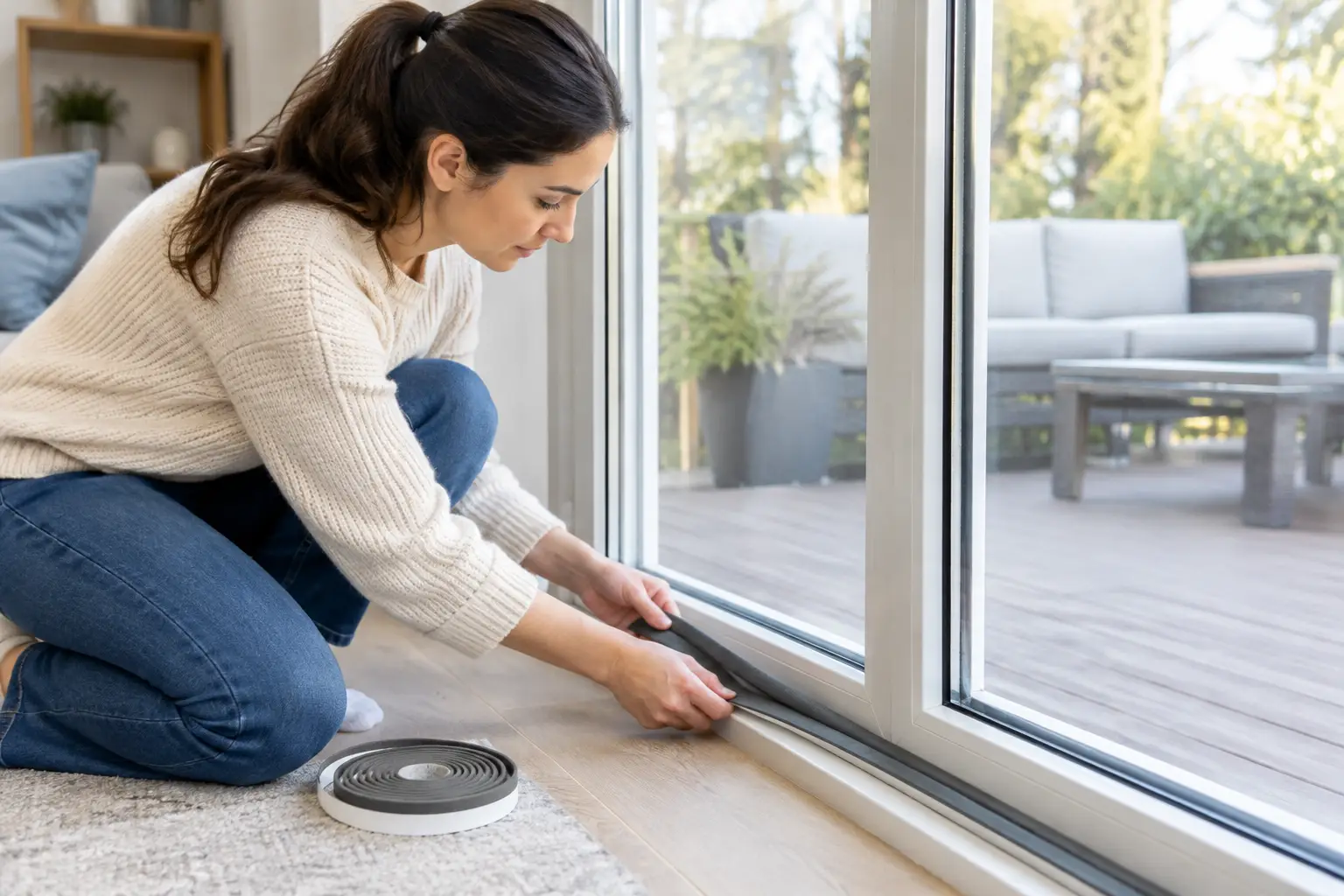
Even a premium vinyl window cannot perform as intended if it is installed poorly. Gaps, inadequate insulation, improper flashing, and incorrect leveling can lead to drafts, water intrusion, sticking sashes, and premature failure.
Ask how the installer evaluates the existing opening. A proper consultation should address frame condition, sill integrity, exterior cladding, interior trim, and potential hidden damage. In some cases, an insert installation may be suitable. In others, a full-frame replacement is the better long-term solution because it allows the team to inspect and address the entire opening.
The installation process should include careful measurement, secure fastening, insulation around the frame, exterior sealing where appropriate, and a final check that every sash locks and operates correctly. Cleanup, disposal of old materials, and protection of your interior spaces should also be clearly addressed before work begins.
A professional company should not treat installation as an afterthought. At WELDA Windows & Doors, the goal is to pair custom-fit products with experienced installation because both are necessary for lasting comfort and peace of mind.
Review Warranty Coverage Before You Sign
A lifetime warranty can be valuable, but the details matter. Read what is covered for the vinyl frame, insulated glass unit, hardware, screens, finishes, and labor. Confirm whether coverage is transferable if you sell the home, whether glass breakage is included, and what steps are required to make a claim.
Also ask who stands behind the installation. A product manufacturer may cover a factory defect, but that is different from covering an issue caused by installation. A clear, written warranty with no vague promises gives you a better basis for comparing proposals.
Price should be transparent as well. A lower quote may exclude upgrades that affect performance, such as better glass, exterior trim, disposal, finishing work, or permit-related requirements. Review the scope carefully so you know what is included and what could become an extra charge later.
Choose a Partner, Not Just a Product
Window replacement is a custom home improvement project, not an off-the-shelf purchase. The contractor should take time to understand your priorities, provide options without pressure, and explain the trade-offs between styles, glass packages, and installation approaches.
Look for proven experience, clear communication, detailed written estimates, and a process that does not leave you guessing about measurements, scheduling, or warranty support. Financing options can also make a larger replacement project more manageable, but they should be explained clearly, including the terms and total cost.
The strongest choice is usually the one that balances performance, appearance, installation quality, and long-term protection. When you can stand near your new windows on a cold morning and feel comfortable, open them easily in warmer weather, and trust the workmanship behind them, you will know the decision was worth making.
About the Author